Look far enough ahead to see trouble while it is still small
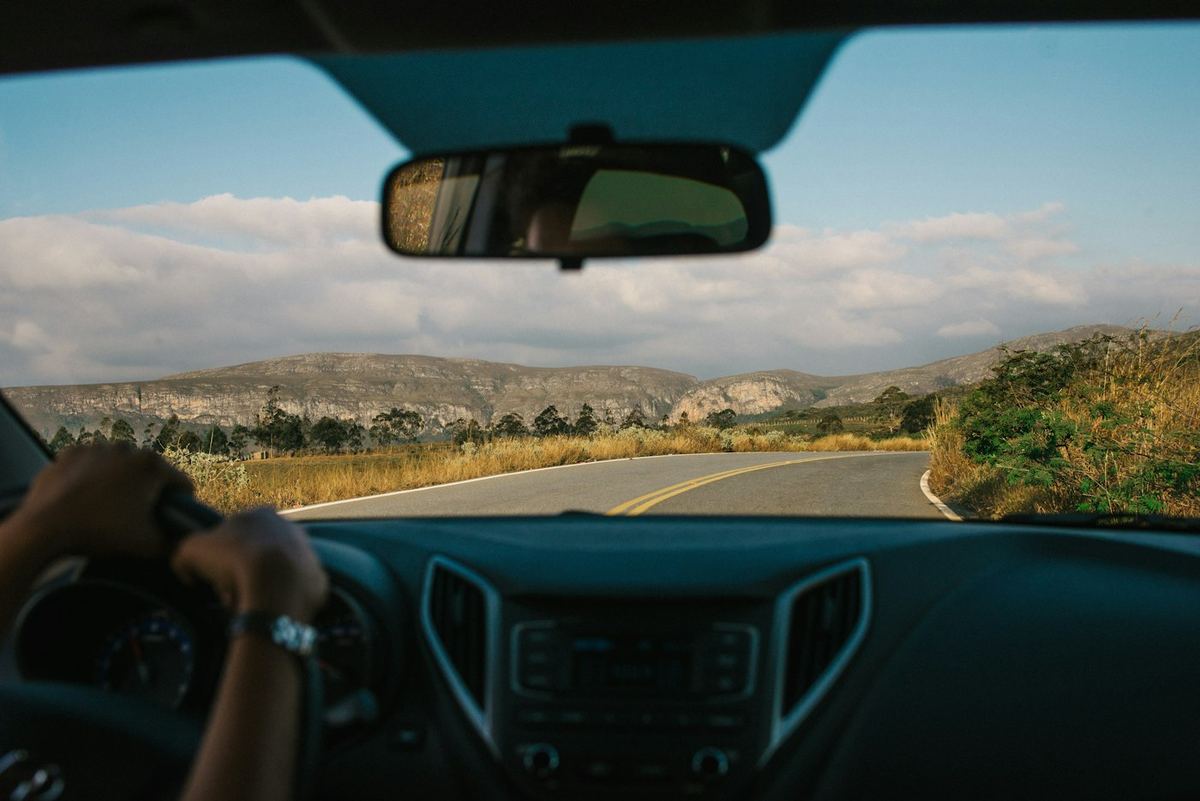
Most drivers look at the bumper in front of them. Defensive drivers look past it, to where the road will be in ten or fifteen seconds, and fill in the near view on the way back. Hazards seen early are hazards you can steer around calmly.
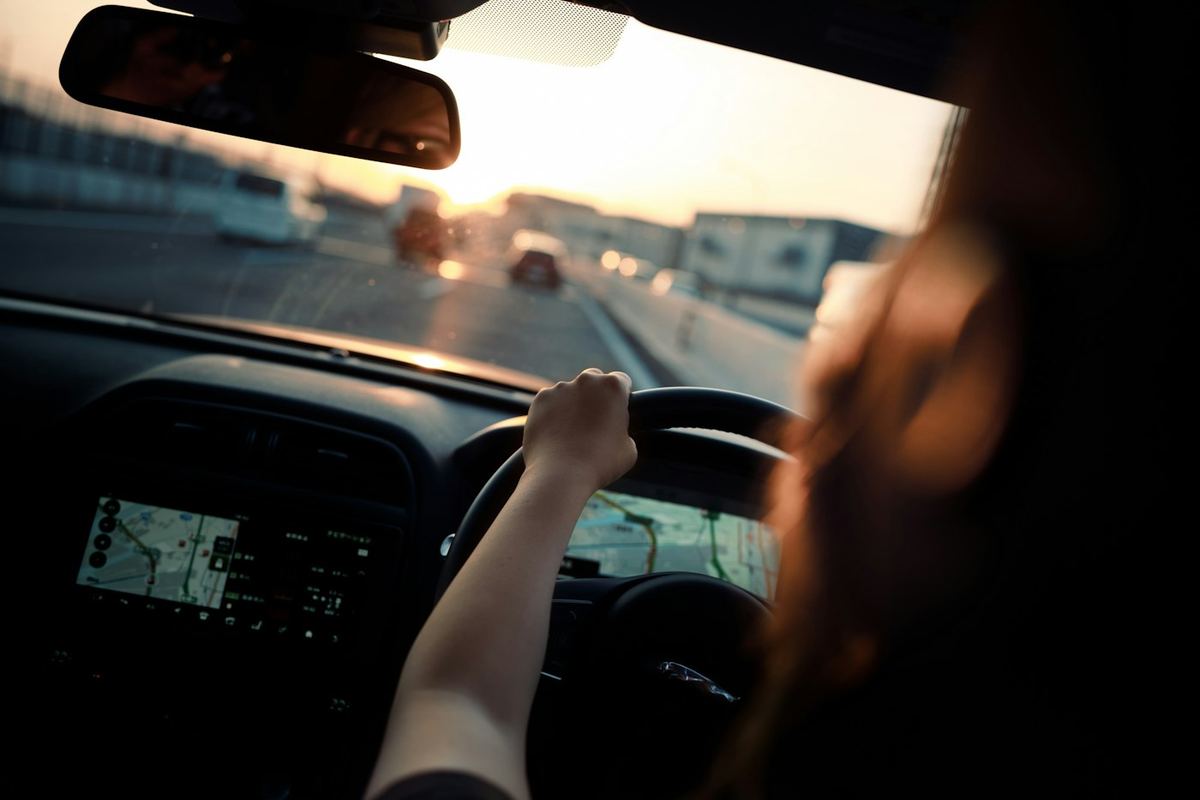
Scanning is a habit, not a single look. It is a steady loop: far ahead, middle distance, the edges of the road, the mirrors, the gauges, and back to the road ahead. Practice it on familiar roads until it runs on its own.
A scanning loop to practice
- Aim your eyes where you will be in about 12 to 15 seconds
- Sweep the sides: driveways, parked cars, crosswalks, shoulders
- Glance at a mirror every few seconds, and before you brake
- Check the speedometer briefly, then return to the far view
- Never let your eyes rest on one thing for more than two seconds
In town, fifteen seconds ahead is about a block. On the highway it is a long way down the road, often past the next bend or overpass. Looking that far lets you notice a stalled car, a merging truck or a lane closure while there is still plenty of time to plan.
Read the clues
Brake lights, a ball rolling into the street, a car's front wheels turning: small signals arrive before the event itself.
Keep your eyes moving
A fixed stare narrows what you notice. Moving your eyes keeps your side vision working and keeps you alert on long drives.
Plan an exit
As you scan, notice where you could go if the lane ahead closed suddenly: a shoulder, an open lane, a gap in traffic.
What your car lets you see
Scanning is only as good as the glass and lights in front of you. A streaked windshield, worn wiper blades or a dim headlight cuts the far view first, and the far view is the part scanning relies on. Clean the inside of the glass as well as the outside; the film that builds up there scatters oncoming headlights after dark.
Why it matters
Scanning moves your decisions earlier. Instead of reacting at the last moment, you see a situation building and adjust speed or position while it is still easy. It also makes you predictable to other drivers, because your changes are gradual rather than sudden.
Common questions
Pick a point ahead and count until you reach it. In a city it usually works out to about a block; at highway speed it is several hundred yards. The count matters more than the distance.
Glancing every five to eight seconds keeps a running picture of what is behind and beside you, so a sudden lane change or stop never surprises you. Always check before slowing or turning.
Your headlights limit how far you can see, so the far view shortens. Slow down enough that you could stop within the distance your lights reach, and use streetlights and reflectors as clues to the road ahead.
This page is general information about auto safety and driving habits. It is not a lesson, legal advice or a statement of the law where you drive; your state’s driver handbook and a licensed instructor come first.