Make room for the people who have less protection
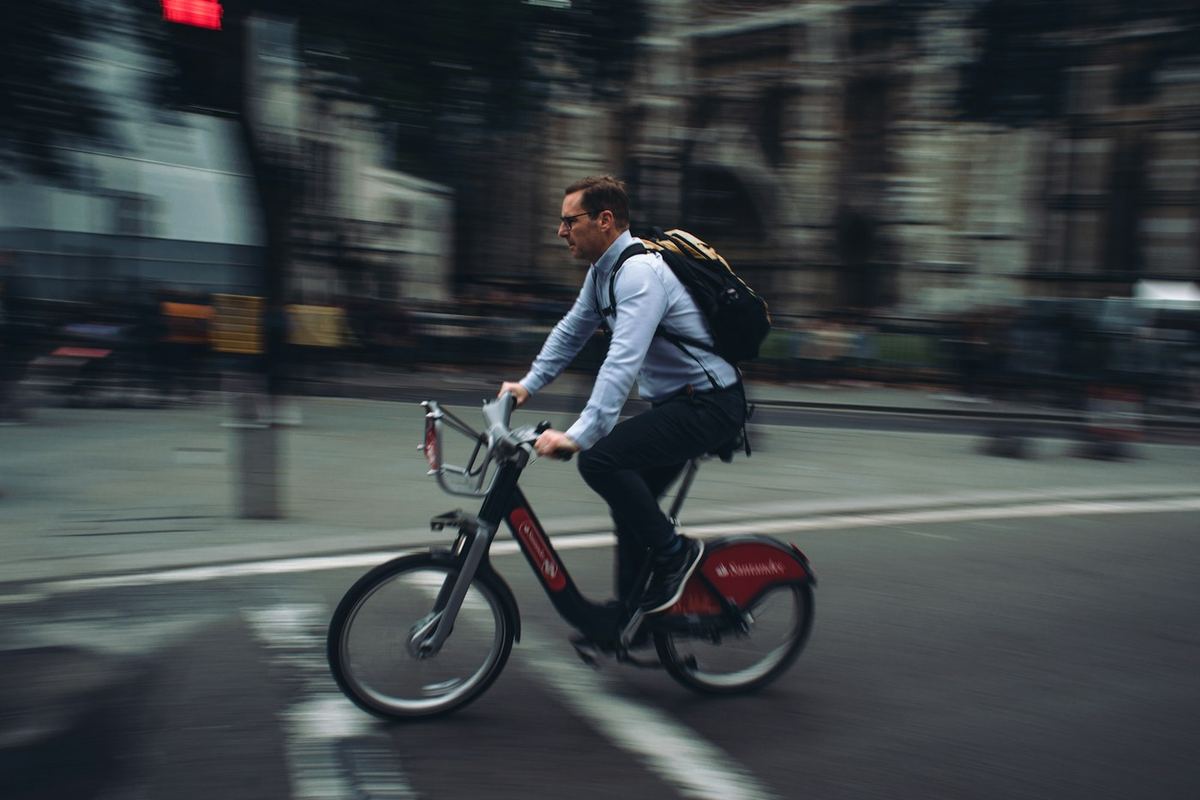
Apart from trucks and buses, a car is the heaviest and most protected thing on most streets. Walkers, cyclists and motorcycle riders have far less around them, and a large truck has far less room to stop or turn than you do.
Sharing the road means expecting each of them to behave differently from a car, and giving them the time and space that difference calls for.
Habits around other road users
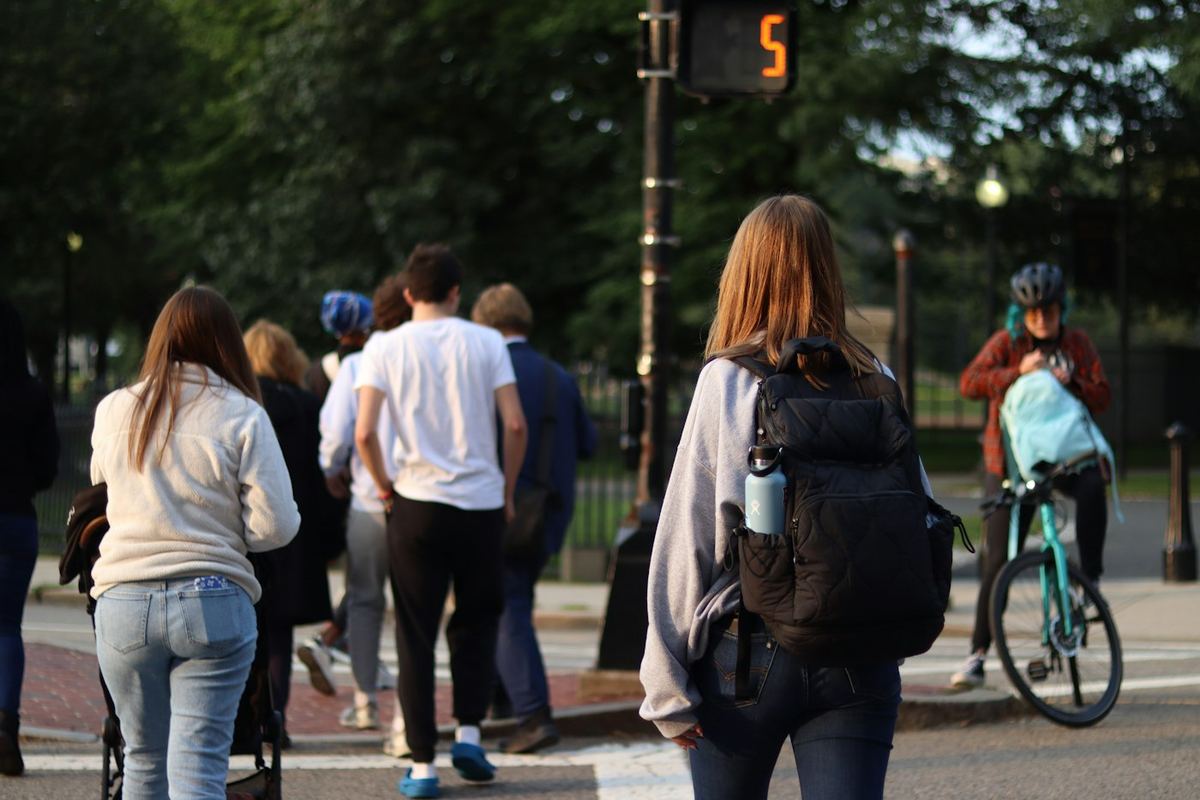
- Slow down and look for walkers near schools, buses and parked cars
- Give cyclists plenty of room when passing; wait if there isn't any
- Check twice for motorcycles before turning across traffic
- Stay out of a truck's blind spots and leave it extra room to turn
- Check for cyclists before opening your door on the street side
A useful habit for leaving a parked car is to open the door with the hand farther from it. Reaching across turns your shoulders and brings your eyes to the mirror and the street behind, so you see a cyclist coming before the door swings out.
Walkers
People on foot may be hidden by parked cars or step out without looking. Slow down where they gather and stop for anyone waiting at a crosswalk.
Riders
A motorcycle is narrow and easy to misjudge. It can be closer and faster than it looks, so take a second look before turning.
Large trucks
Trucks swing wide to turn and need far more room to stop. Don't cut in front of one, and don't squeeze in beside it at a corner.
Your car’s pillars, doors and sensors
The pillars on either side of the windshield are wide enough to hide a walker or a cyclist at a corner, especially on a left turn. Move your head forward and back as you turn so the pillar never rests on one spot in your view. Parking sensors and backup cameras help in tight spaces, but they may miss a child who walks behind the car after the screen goes dark, so take one more look before reversing.
What it changes
Knowing how others move takes the surprise out of sharing the road. A cyclist moving out to pass a parked car, a truck swinging left before turning right, a walker hurrying for a bus: each makes sense once you expect it, and expecting it is what gives you time to respond.
Common questions
Many states set a minimum passing distance, often three feet; check your state's driver handbook. If there isn't room to pass with plenty of space, wait behind until there is.
A long trailer cuts the corner as it turns, so the driver swings wide to keep the rear wheels off the curb. Never pull into the space beside a turning truck.
Everywhere, but especially near schools, parks, bus stops, parking lots and any line of parked cars. Children in particular may run out without looking.
This page is general information about auto safety and driving habits. It is not a lesson, legal advice or a statement of the law where you drive; your state’s driver handbook and a licensed instructor come first.